Venture capital in the Middle East
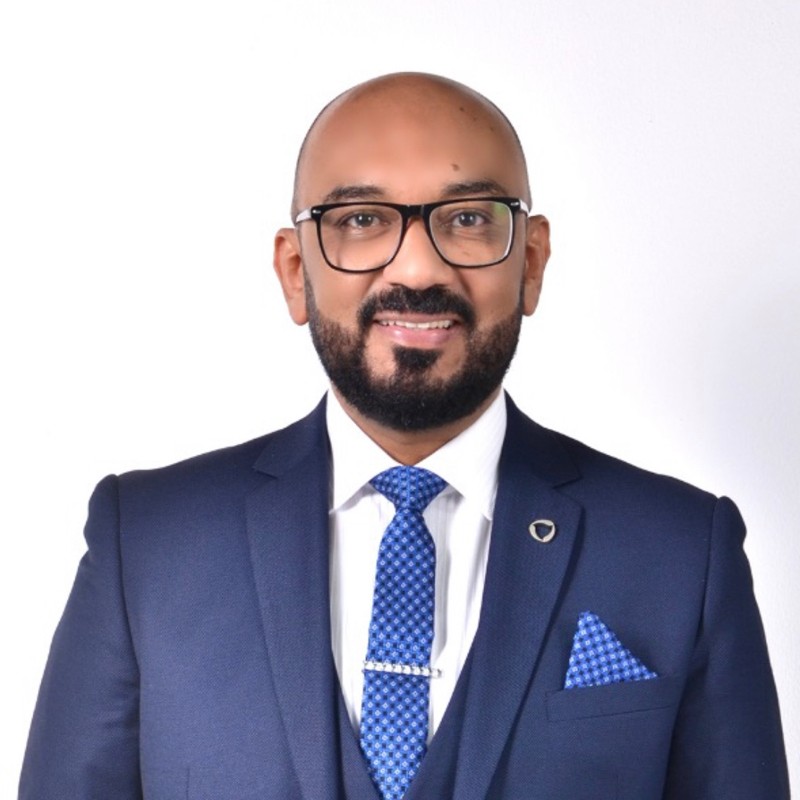
Walied Albasheer of Intuitio Ventures has watched the region's startup scene grow from one famous acquisition to a full ecosystem. He explains what investors there look for, and why you cannot close a deal in five days.
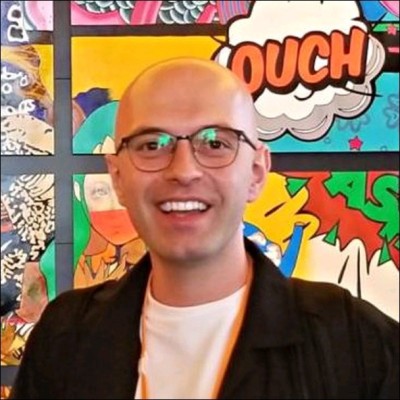
01From a tip about the internet to a fund
Walied Albasheer was finishing college in India when a friend told him, over afternoon tea, that there was something called the internet and he should look at it. He has worked around technology ever since.
He places the start of the region's startup story around 2009, when Yahoo acquired Maktoob, an Arabic online community, for a figure that was large for its time. There was little ecosystem in the Gulf then. Accelerators, incubators and the first venture firms followed, in Dubai and then strongly in Egypt.
02A region that used to buy technology
The Middle East has long consumed technology made elsewhere. Global companies came to serve it, but a gap stayed: local needs and local culture. Gulf economies now want to diversify, and he sees that gap as the opportunity.
His other argument is about jobs. A government or a large company grows steadily. Only fast-growing ventures create jobs in large numbers. He points to ride-hailing and food delivery companies in the region that grew from a few people to many thousands.
“The whole region hasn't been a technology production region. It has always been a consumption region for technology.”
03What investors look for there
The ecosystem is young, so there are few founders who have already built and sold a company. Investors cannot rely on a track record. They look at how well the founder fits the market, and how the idea will hold up against change over many years.
He asks every founder the same thing: will you be as excited about this in five or seven years as you are today?
Dubai also works as a test market. With close to 200 nationalities in one city, a product that fits there has already crossed many cultural barriers.
“Do you think you're going to be excited about this five years from now or seven years from now with the same level of excitement?”
- Come more than once
- Build the relationship first
- Agree a fair split of ownership
- Keep working together after the cheque
04What goes wrong
Talent is the first challenge. Many skilled people come for five or ten years and then move on to Europe or the US. Company structure is the second. Some young ventures have unclear ownership of their shares and ideas, and the problems appear when real investment arrives.
Most failures he sees come from the founders themselves. They fight, they give up, or they do not hold enough of the company to keep going. It gets worse when an inexperienced investor asks for half the company at the start.
For people coming from outside, his warning is cultural. Visitors arrive for five days at a conference and expect to close a deal. It does not work that way. You have to build the relationship.
“You need to build relation. This is a cultural atmosphere here.”
05After the investment
Two investors are better than one, and three are better than two, but not so many that nobody can steer. He looks for investors who help a company win customers. And he reminds both sides that the relationship starts when the money goes in. If founder and investor do not get along, it is better to wait.
What to take with you
- The region wants technology built for local needs, not only imported.
- With few repeat founders, investors judge how well you fit the market.
- A product that works for Dubai's mix of people travels well.
- Keep ownership fair. A founder with too little stops pushing.
- Relationships come before deals. Plan more than one trip.
This feature is an editorial summary of a public conversation hosted by Erdinc Ekinci. Quotes come from the recording and are lightly trimmed. Figures are the speaker's own. Nothing here is investment advice.
Keep reading
 Podcast · 59 min
Funding the future of healthcare
Fredrik Debong · Co-founder of mySugr and hi.health, healthcare investorFredrik Debong turned his own diabetes into mySugr, the first medical device app, and later into a second company and a specialist fund. His message for founders in regulated markets: the rules are your operating system.Read the feature →Healthcare Podcast · 58 min
The corporate investor that backs its own customers
Andy Cheng · Head of Japan, GrandTech Cloud ServicesAndy Cheng leads investment at GrandTech Cloud Services, a listed cloud company in Taiwan. It invests in the startups that buy from it. He explains why, and what founders should understand about fit before they ask a company for money.Read the feature →Corporate funds Podcast · 63 min