Startup funding in Taiwan: a corporate investor and an angel explain
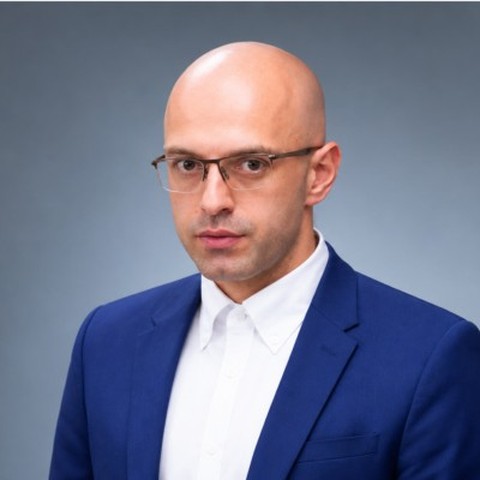
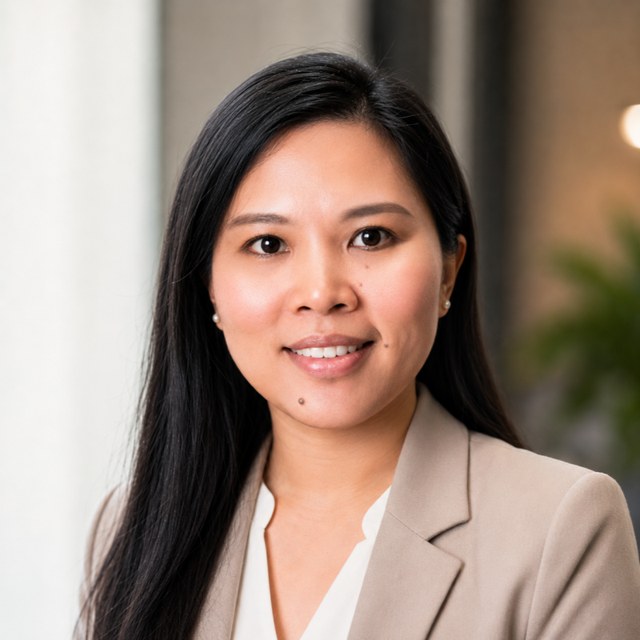
Gaviann Tseng invests for a corporate fund. Elias Ek is an entrepreneur and angel investor who runs a pitch event. Together they describe how founders meet investors in Taiwan, and the red flags that end a conversation.
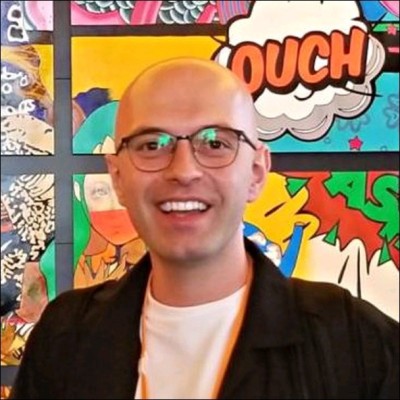
01How founders get in the room
Gaviann Tseng meets most new startups at demo days. Accelerators and incubators do the gathering for him. As a corporate investor he looks for startups that fit his company's mission, and when one fits he reaches out himself.
Elias Ek runs a pitch event. Applications open once a year, close in late summer, and then the auditions begin. For both, a structured event beats a message from a stranger.
02What they want to see
The first thing on Gaviann's list is the founders themselves, and above all a vision. Good education is common. A clear idea of what you want to change is not.
Elias adds one question he always asks himself: is this person coachable?
03Red flags
Gaviann's red flag is a founder who joins every incubator and accelerator, appears on many podcasts and interviews, and tries to become a public figure. To him it usually means there is no time left for the business, and promises will be missed.
For founders from abroad, he is frank about one limit. Local funds often do not invest in companies whose market is the US or Europe. Investing is a local business, and the fund may not have the network to help there. If you raise in Taiwan, show what you will do in the region.
“It usually means the founder does not have the time to focus on his business.”
What to take with you
- Demo days and pitch events are the normal way in.
- Bring a clear vision, not only credentials.
- Show that you can take advice.
- Visibility is good. Too much of it looks like distraction.
- Explain your plan for the region when you raise locally.
This feature is an editorial summary of a public conversation hosted by Erdinc Ekinci. Quotes come from the recording and are lightly trimmed. Figures are the speaker's own. Nothing here is investment advice.
Keep reading
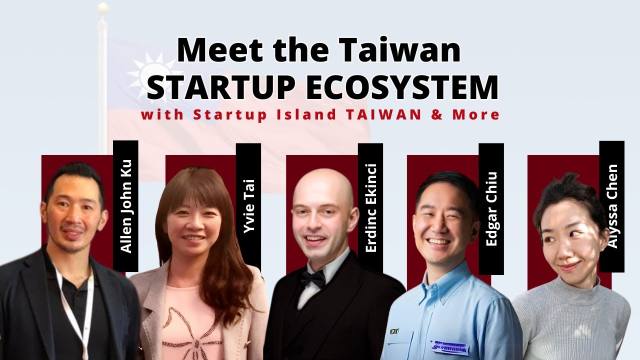 Panel · 74 min
 +1
Meet the Taiwan startup ecosystem
Allen John Ku, Alyssa Chen, EdgarPeople from Startup Island TAIWAN, AppWorks and SparkLabs Taiwan explain how the island works for founders: which markets Taiwanese startups enter first, how open local investors are, and why Taiwan is bigger than Taipei.Read the feature →Taiwan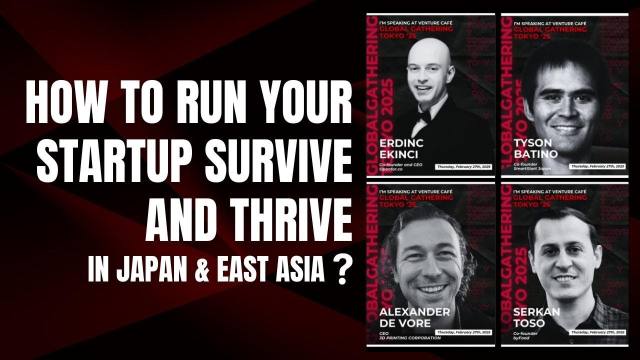 Panel at Venture Café · 33 min

What it really takes to build a startup in Japan as a foreign founder
Tyson Batino, Alexander De Vore, Serkan TosoThree founders who built companies in Japan without leaning on venture money: Tyson Batino, Alexander De Vore and Serkan Toso. They talk about trust, co-founders, and why everything takes longer here.Read the feature →Japan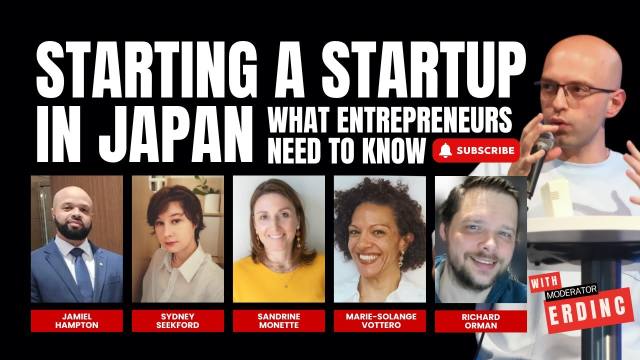 Panel · 69 min
 +4