What it really takes to build a startup in Japan as a foreign founder
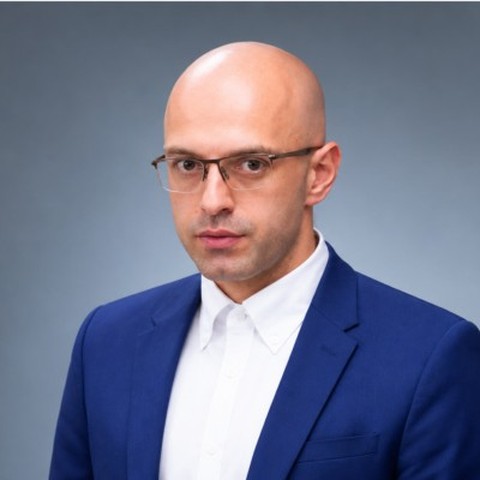
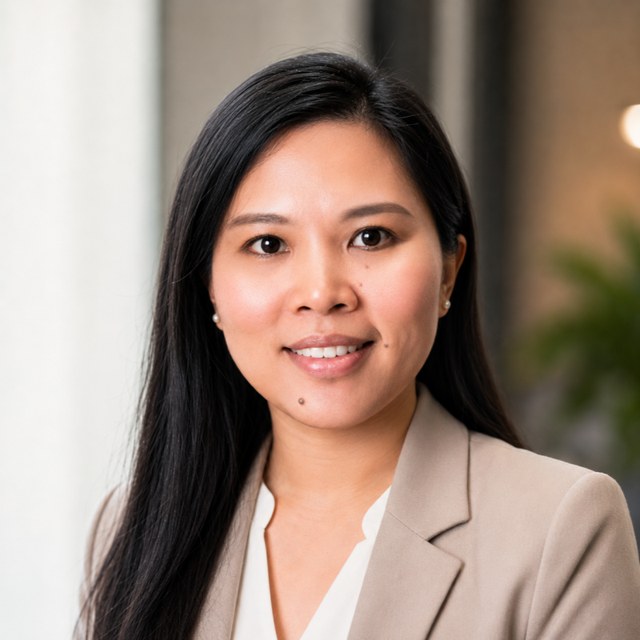
Three founders who built companies in Japan without leaning on venture money: Tyson Batino, Alexander De Vore and Serkan Toso. They talk about trust, co-founders, and why everything takes longer here.


01The right team instead of capital
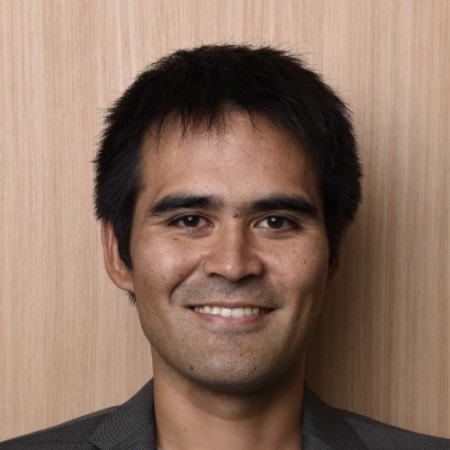
Tyson Batino has bootstrapped four companies. His view is that venture capital is one way to grow fast, and the right team is another. In his first company, low-cost English lessons, there were three experts. One brought customers. One knew how to negotiate rent, open locations and train staff. He was the missing link. Nobody had to worry about the other's job, so they moved quickly.
02Earning trust as a foreigner
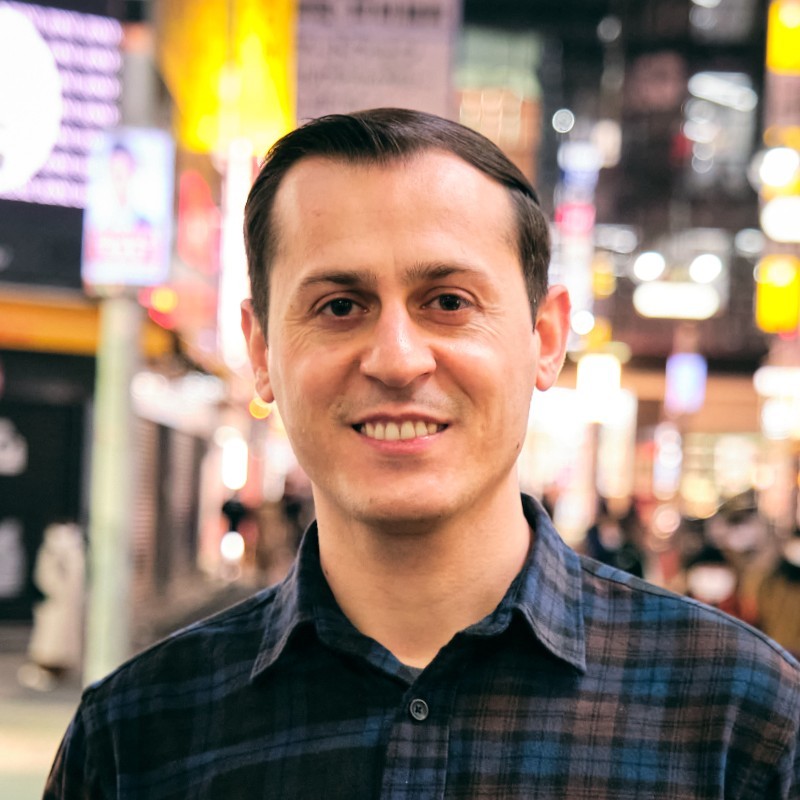
Serkan Toso started byFood with ¥500,000, a simple website and consulting work on the side to survive. He kept the scope small at first: Tokyo only, experiences only, and hosts who spoke English. That was something he could do alone.
Restaurants were different. Some told him to bring a Japanese person. He treats that as a fact to plan around, not a complaint. He also had the usual marketplace problem: you need supply to bring demand, and demand to bring supply. He built supply first.
“I started this business with 500,000 yen in my bank account.”
- One city
- One kind of product
- Hosts he could talk to himself
- Build supply first
- Then widen the scope
03Be ready for the long version
Tyson's advice for anyone starting here: become an expert in one industry, then find a partner who can sell. And be very persistent. In Japan it can take two or three times as long as in the US. Know that trade-off before you begin.
What to take with you
- A strong team can replace early outside money.
- Start with a scope you can handle alone.
- Find a Japanese partner for the doors that will not open to you.
- Plan for it to take two or three times longer.
This feature is an editorial summary of a public conversation hosted by Erdinc Ekinci. Quotes come from the recording and are lightly trimmed. Figures are the speaker's own. Nothing here is investment advice.
Keep reading
 Panel · 69 min
 +4
Starting a startup in Japan: what every entrepreneur needs to know
Jamiel Hampton, Richard Orman, Sandrine, Marie, SydneyFounders and mentors who live and build in Japan share the honest version: the bank account problem, the long sales process, and how to read a polite meeting.Read the feature →Japan Panel · 53 min

Are accelerators worth it? Founders answer
Evan Burkosky, Xiaoxi GuoTwo founders who have been through several programmes compare notes: which programme fits which stage, what a pitch is really for, and how to judge if the fee is worth paying.Read the feature →Programmes Interview at SusHi Tech Tokyo · 11 minTF+1