The AI SaaS partner model Japan might need
At SusHi Tech Tokyo 2026, Erdinc met the team behind IdeaBoxes. They build the software with no upfront cost and take a share of revenue. Their goal is to help 50 women in Japan start software businesses.
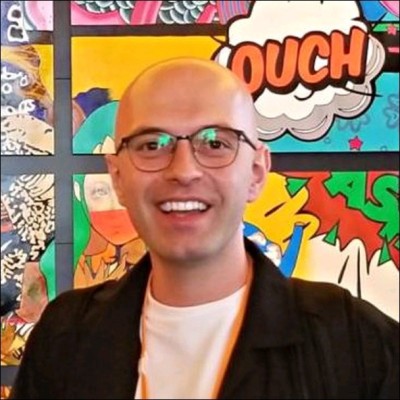 Erdinc EkinciHostProfile ↗
01They handle the tech. You own the business
IdeaBoxes calls itself more than an AI tool. Its engine builds, hosts and manages the software, and its team gives strategic oversight. The entrepreneur owns the business. In return, IdeaBoxes takes 20 percent of revenue. There is no upfront cost and no shares change hands.
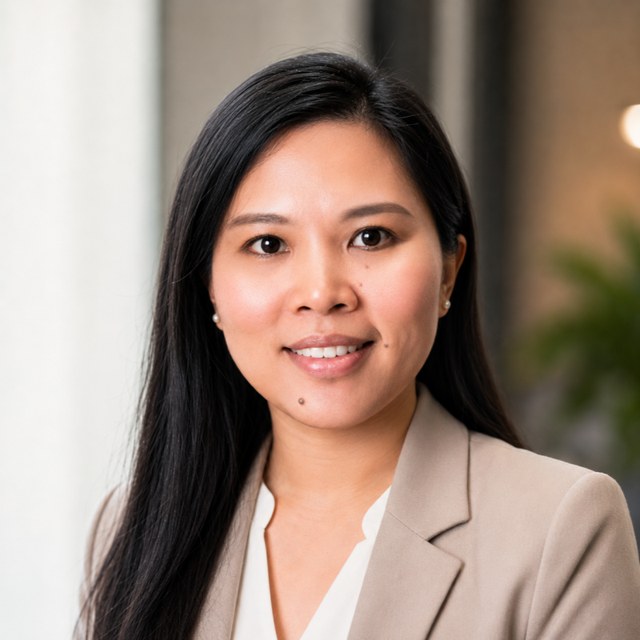
Ayaka Murai, co-founder and head of Japan, described her mission as helping women build startups through this model.
- Builds the application
- Hosts and manages it
- Takes 20% of revenue
- Brings the idea and the customers
- Owns the business
- Pays nothing upfront
02Room for small businesses
Investors need a certain size of success to get their money back. The team sees room for something else: companies of one or two people that make money and stay small. They build the product from zero, go to market together, and share in what it earns.
They call it a venture studio with more flexibility. A studio usually still needs both sides to put in capital.
“There are some opportunities for one and two-person companies.”
03Why Erdinc found it interesting
His note after the interview: revenue sharing, not equity, may fit Japan's small and medium businesses well. Many still run on old systems and need a technical partner more than they need an investor.
What to take with you
- A technical partner can be paid from revenue, not shares.
- Small, profitable software businesses are a real option.
- The model may fit small companies stuck on old systems.
This feature is an editorial summary of a public conversation hosted by Erdinc Ekinci. Quotes come from the recording and are lightly trimmed. Figures are the speaker's own. Nothing here is investment advice.
Keep reading
 Podcast · 80 min
Why many non-US startups fail
Jeffrey Paine · Co-founder, Golden Gate VenturesJeffrey Paine of Golden Gate Ventures gives the plain version: the return target a fund needs from you, the two problems he sees most, and why a product people talk about beats a hundred pitches.Read the feature →Fundraising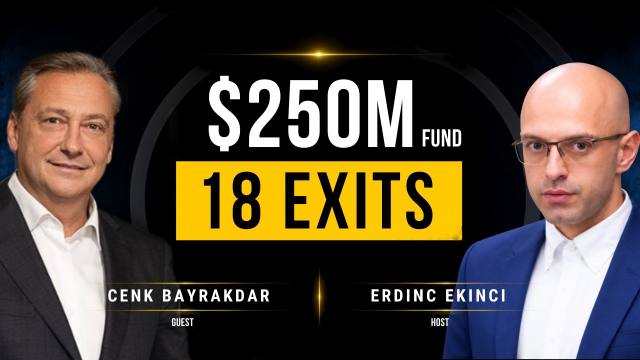 Podcast · 60 min

From $15M to $250M: how Revo Capital takes Turkish startups global
Cenk Bayrakdar · Founding Partner and Managing Director, Revo CapitalCenk Bayrakdar left a top job at Turkey's largest telecom company with $15 million from college friends. Three funds later, his rule has not changed: build the company so the world can buy it.Read the feature →Go global Podcast, live in Shibuya · 50 min