From $15M to $250M: how Revo Capital takes Turkish startups global
Cenk Bayrakdar left a top job at Turkey's largest telecom company with $15 million from college friends. Three funds later, his rule has not changed: build the company so the world can buy it.
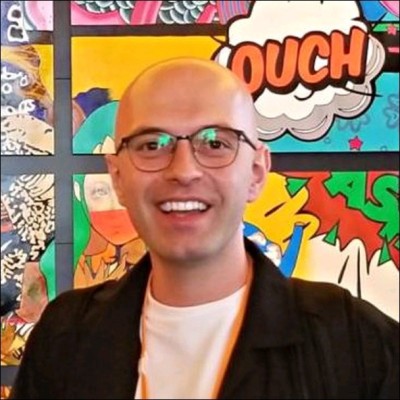
01A product person who became an investor
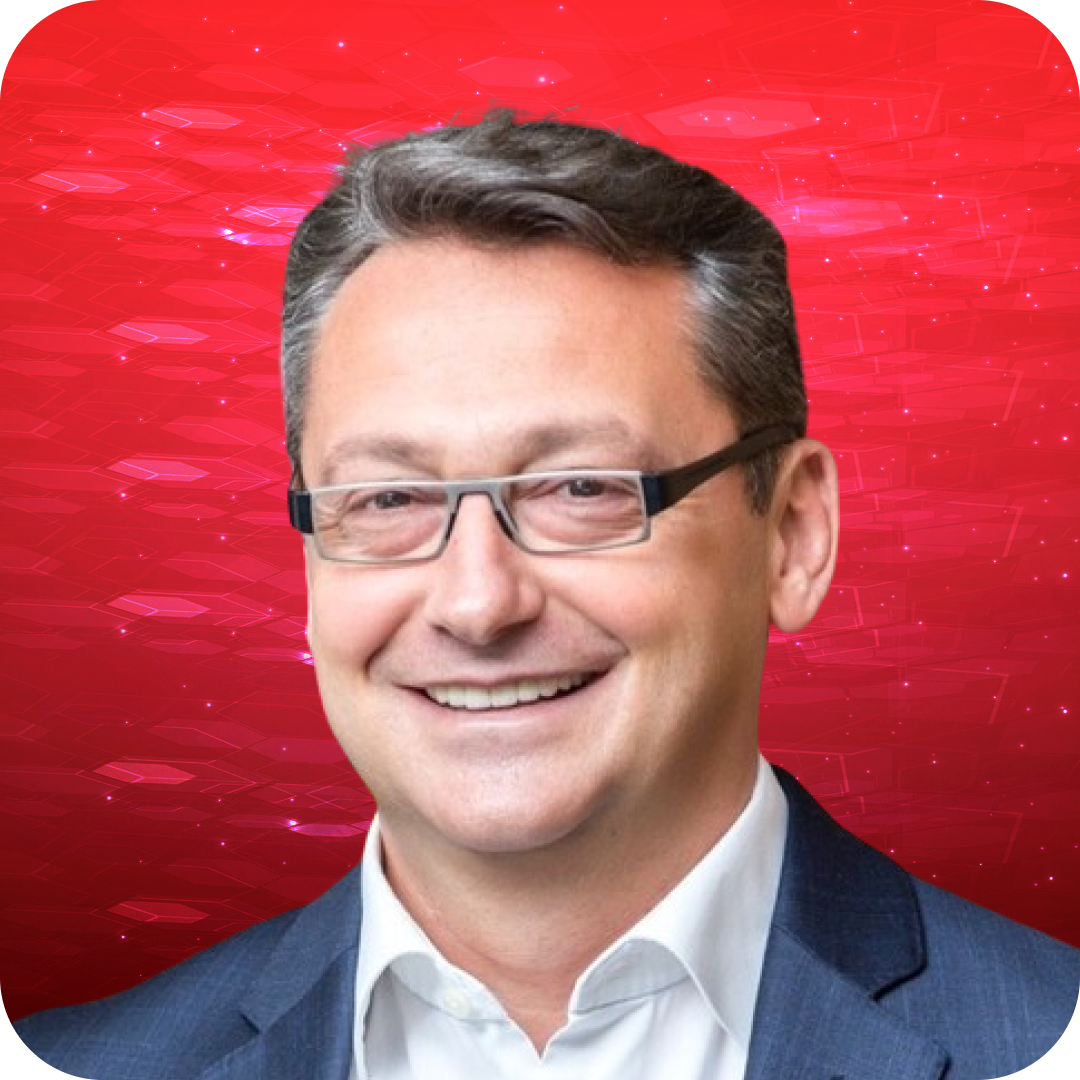
Cenk Bayrakdar started as head of production for washing machines at Arçelik. He later ran technology and product at Turkcell, where everything except voice was his job: payments, TV, digital wallets, branded phones.
A short executive course in California showed him how venture capital works. He wanted to start a fund inside Turkcell. It was not a priority there. His college friends committed $15 million, so he resigned and started Revo. It was the second venture firm in Turkey. Back then the whole country invested $10 to $20 million a year in startups. He says the figure is now about $1.5 billion.
02The rule: make it globally investable
Revo has made 18 exits from its first two funds. The lesson he draws is about where those exits happen. If you only sell inside your home market, the price is not attractive. The company has to reach a level where buyers and investors from outside want it, above all in the US.
So Revo follows one pattern. Sales, marketing, customer support and the founders move to the US, sometimes the UK or the EU. Research and development stays in Turkey or Eastern Europe.
“It needs to be global, especially if you need to be able to take it to US markets. And that's our main motto, main strategy.”
- Build the product and R&D at home
- Move sales, marketing and support to the US
- The founder moves too
- Raise from global funds
- Exit to a global buyer
03The founder has to go
You cannot expand to a new country with hired managers only, he says. The founder needs to move. He found some founders in the region happy to stay where life was comfortable. Turkish founders, in his experience, want to go abroad and prove themselves.
He compared this with Japan. Japan is a rich country where even a small company can list on the stock market. Turkey is not, so founders have to look outward.
“Japan is a rich country. Turkey is not. So in Turkey, there's more, let's say, hunger for success.”
04What the fund does after the cheque
Revo usually invests $2 to $5 million at Series A and B, and can go up to about $12 million in one company. In its third fund, 5 percent is kept for small early cheques of $250,000, so it can start a relationship before bigger funds arrive.
It finds many founders with its own AI system. If a startup hires fast or its website traffic jumps, the team gets an alert and reaches out. After investing, a growth team helps with senior hiring, reviews digital marketing every three months and tracks global competitors. Revo also briefs a list of 240 funds, mostly in the US and UK, on its portfolio, so each company knows which investors already showed interest when it raises again.
His view on software is short: the next generation of SaaS has to be built around AI from the start.
What to take with you
- Selling only at home limits what your company is worth. Build for buyers outside.
- Keep R&D where your talent is. Move sales and the founder to the market.
- Expansion does not work without the founder in the new country.
- Being findable matters. Funds now watch hiring and traffic to spot companies early.
- New software companies should be built around AI from day one.
This feature is an editorial summary of a public conversation hosted by Erdinc Ekinci. Quotes come from the recording and are lightly trimmed. Figures are the speaker's own. Nothing here is investment advice.
Keep reading
 Podcast, live in Shibuya · 50 min
The VC who hates most VCs
David Yi · General Partner, Ethos FundDavid Yi of Ethos Fund went from his mother's restaurants to law, to founding companies, to investing. In front of a room of founders in Tokyo, he explained why Silicon Valley's playbook fails in Asia and what investors owe founders.Read the feature →Fundraising Podcast · 67 min
The old, ugly and boring physical AI opportunity
Doug Griffin · Founder and Managing Partner, Spatial CapitalDoug Griffin spent thirty years in computer vision, from film effects to four startups and three exits. His fund backs the unglamorous industries that run the economy, and stays away from humanoid robots on purpose.Read the feature →Physical AI Podcast · 41 min