Physical AI is booming. Here is how robotics founders get funded
Some robotics funds look at 800 startups before they invest in one. Sabrina Sasaki of Monozukuri Ventures explains what gets a founder to that one yes, and why pilots with big companies so rarely become paying customers.
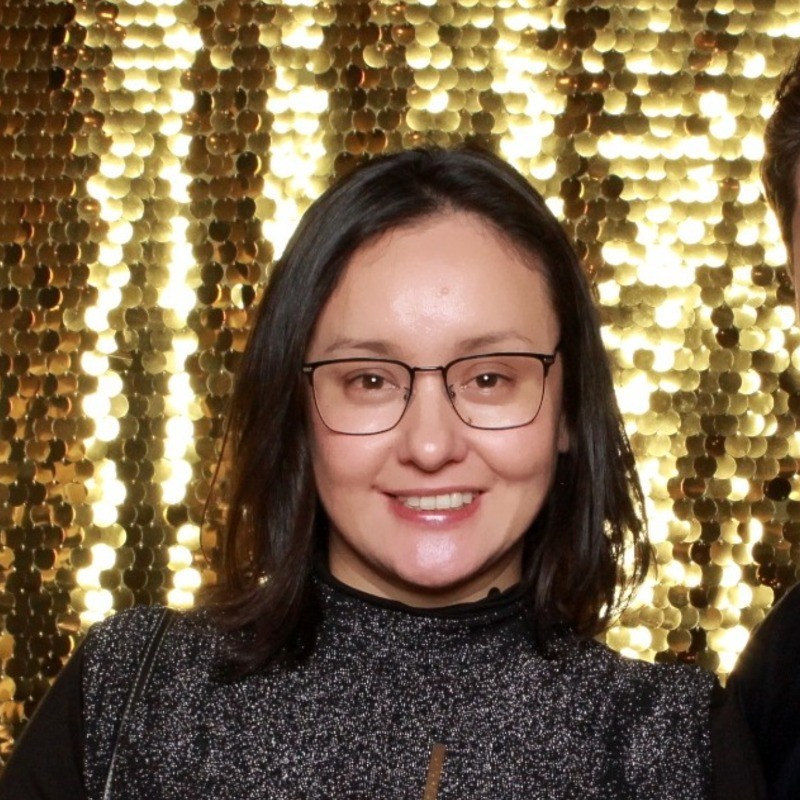

01From São Paulo to a hardware fund in Kyoto
Sabrina Sasaki grew up in São Paulo with a Brazilian mother and a Japanese father. She joined a hardware accelerator in Kyoto when it had just started. The team saw two things. Japan did not have enough founders ready to leave a corporate job. And Japanese manufacturers needed new ideas to keep their place in the world.
So the fund looked outside Japan too. Monozukuri Ventures is now one of the few Japanese seed investors with an office in the US, backing hardware and robotics founders on both sides of the Pacific.
02What physical AI means
Her definition is practical. Physical AI brings the AI revolution to anything with a physical device or a physical space: robots, machines, infrastructure, logistics and energy systems. Data centres need power and cooling, so AI itself depends on hardware.
She also sees energy differently now. It is no longer a nice sustainability topic. It is a question of national security and of supply chains that keep working. That is why more general funds now invest in deep tech. Ten years ago, she says, this talk would not have happened.
“Physical AI, hype or not? Not. It's the future of AI.”
03The pilot trap
Building a prototype is no longer the hard part. It costs a fraction of what it used to. The problem comes after. She sees most robotics companies stuck at seed stage with a prototype they think is ready and customers who still do not pay.
Large companies often run pilots with many similar startups at once. A pilot is customer discovery, not revenue. If the talk is not about a second order, about volume and your ability to deliver, it is not a real customer yet. Some startups in her portfolio have talked with large companies for seven or eight years with no result.
The best founder she met kept a yearly calendar of how each industry sets budgets and makes decisions. If a company did not say yes when it had the budget, he put it on the newsletter list and moved on.
“They have some sort of prototype they think is ready and their customers are still not paying.”
04The mistakes she sees most
Mistake one is skipping the homework. Founders get a list of 25,000 investor names and send the same cold message to everyone. A cold message can work if it shows you read what the fund invests in and that you do not compete with its portfolio.
Mistake two is reading a meeting as interest. Some firms take many meetings just to write reports. Look at the fund size and how many companies it backs a year before you count on it.
On humanoid robots, she expects something real, but not as soon as investors want. The winners may be the makers of components and sensors that also work in industrial robots today.
“It will be something soon, but not as soon as investors want.”
05Win your local community first
Her final advice is to start close to home. Join local startup events. Find angel investors and supporters who have met you and understand the problem. If people who know you will not back you, an investor on the other side of the world will ask why.
What to take with you
- A pilot is not a customer. Ask about the second order and the volume.
- Learn how your buyer's budget year works, then plan around it.
- Send fewer, better messages to investors who fit your space.
- One meeting does not mean a fund is considering you.
- Local support is the proof distant investors look for.
This feature is an editorial summary of a public conversation hosted by Erdinc Ekinci. Quotes come from the recording and are lightly trimmed. Figures are the speaker's own. Nothing here is investment advice.
Keep reading
 Podcast · 90 min

This is how to go viral on social
Ahmet Yanik · Founder, Mavi GadgetAhmet Yanik grew Mavi Gadget to more than 62 million followers with no outside funding. He treats virality as something you can mostly engineer: volume, signals, timing, and a comment section you plan before you post.Read the feature →Visibility Podcast · 54 min

The harsh truth about fundraising in Japan
Lauren Nham · Tokyo AIRounds are smaller and investors play a different game. Lauren Nham of Tokyo AI explains what Japanese funds really expect, when debt beats equity, and the two questions to ask every investor before you pitch.Read the feature →Japan Podcast · 43 min