The skills every emerging VC needs before raising a fund
Myrto Lalacos helped hundreds of new venture firms get started. She says the job is less about finance than people think. It is about selling, trust, and an edge you can prove.
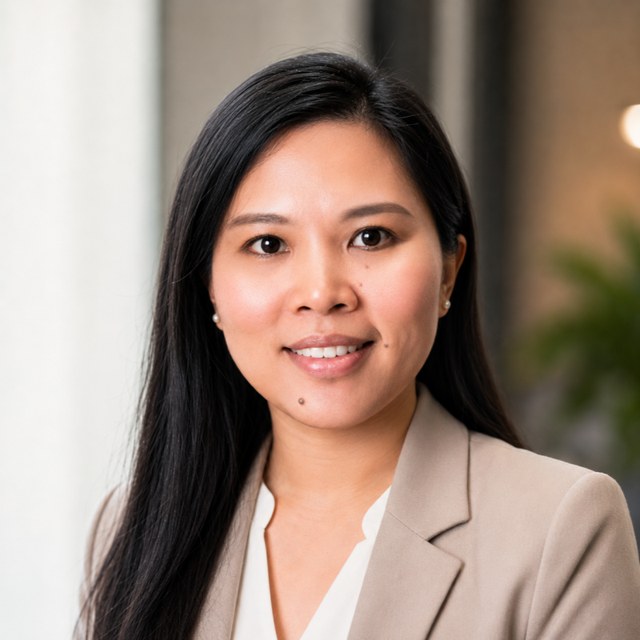
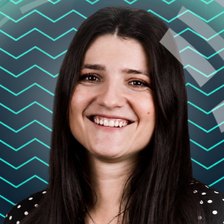 Myrto LalacosFounder, The Emerging VC
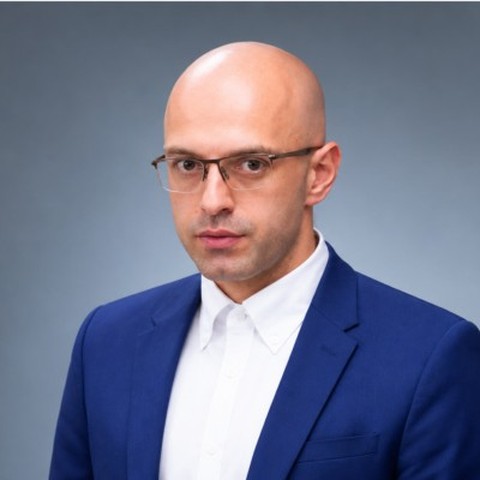
 Erdinc EkinciHostProfile ↗
01A more open industry
Myrto Lalacos founded The Emerging VC after four years running a programme that, in her words, launched more than half of the world's new venture funds. She also writes about new funds on LinkedIn, where she is one of the most active voices on the topic.
Starting a fund used to be for people from finance. Now there are programmes, communities and tools for first-time managers, and more investors willing to back them. She calls this arguably the best moment in history to launch a fund.
She is also seeing a new kind of thesis. Funds used to be general, then picked sectors, then technologies. Now some are built around a community, such as one group of expats in one country.
02Why founders should look at small funds
For founders, the people at a small fund are easier to reach. Famous funds have grown so large that many can no longer write very early, small cheques. Emerging managers usually can.
She also warned founders how they get found. Funds now use AI tools that flag people by sector, technology and place, down to papers published, hackathons joined and updates on LinkedIn. So think about what your online activity says, because investors may find you before you find them.
03What is left for humans
AI already filters deals, analyses startups and helps with checks. Those were the tasks of junior staff, so new funds hire very few people. She names what stays human. Fundraising is first. Finding and choosing founders is second. Building the fund's name is a bonus.
She adds a reminder that surprises people. The customer of a venture fund is the investor who puts money into it. The startup is the product.
“Don't get it twisted. The customer is the limited partner. It's not the startup.”
04The biggest mistake
The mistake she sees most is chasing the trend. Someone from another field decides to start an AI fund because that is where the money seems to be. Her question is always the same: what is your edge? If you have not invested in that area, helped companies in it, or cannot reach the best deals, investors have no reason to choose you.
The managers who do well have done the thing before. Their first backers are usually people who already know them and trust the reputation they have built.
“An advantage is the most important thing when you're launching a fund.”
05The human skills
Selling comes first. Fundraising starts the day after the thesis is written, before any deck exists, and it takes most of every day until the fund closes. Rejection is normal. One manager she worked with pitched more than 2,500 investors over nearly two years, and about 30 joined.
So mental health matters. The best fundraisers she knows take a short pause before each call to remember why they are doing this, then bring that energy into the room.
What to take with you
- Launching a fund is more open than ever, but it is a sales job.
- Small funds are easier to reach and write earlier cheques.
- Investors use AI to find founders. Keep your public profile current.
- Build a fund on an edge you can prove, not on a trend.
- Expect many no's. Protect your energy.
This feature is an editorial summary of a public conversation hosted by Erdinc Ekinci. Quotes come from the recording and are lightly trimmed. Figures are the speaker's own. Nothing here is investment advice.
Keep reading
 Fireside chat · 49 min
CVC in Japan: how startups and large companies work together
Yasumasa Saito · Manager, CVC Department, SBI InvestmentCorporate venture capital has quietly become a backbone of Japan's startup scene. Yasumasa Saito of SBI Investment explains what a corporate fund gives beyond money, what it limits, and when it is the wrong door.Read the feature →Japan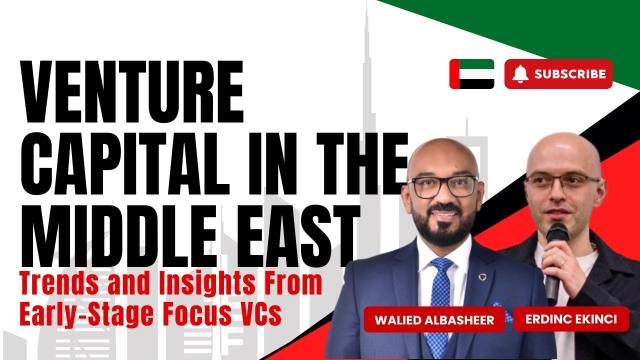 Investor session · 60 min
Venture capital in the Middle East
Walied Albasheer · Founder and Managing Partner, Intuitio VenturesWalied Albasheer of Intuitio Ventures has watched the region's startup scene grow from one famous acquisition to a full ecosystem. He explains what investors there look for, and why you cannot close a deal in five days.Read the feature →Middle East Podcast · 59 min