The harsh truth about fundraising in Japan
Rounds are smaller and investors play a different game. Lauren Nham of Tokyo AI explains what Japanese funds really expect, when debt beats equity, and the two questions to ask every investor before you pitch.
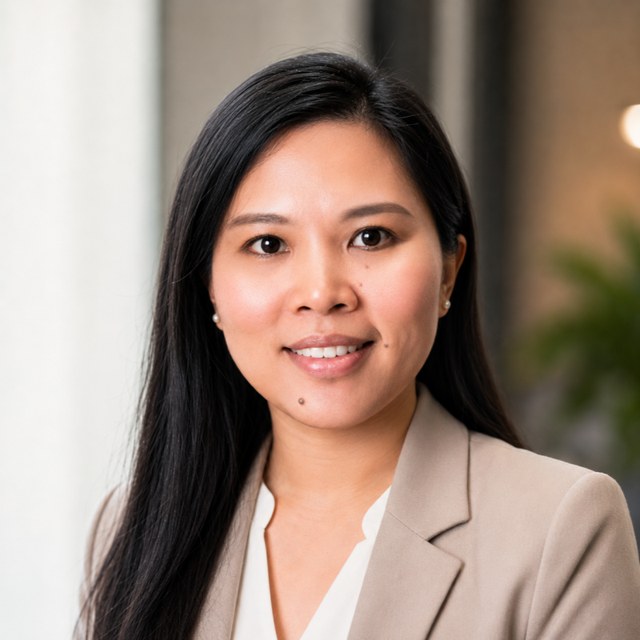
 Lauren NhamTokyo AI
 Erdinc EkinciHostProfile ↗
01The official answer and the unofficial one
Lauren Nham has worked in early and late stage startups and now works with Woven by Toyota, while coaching founders at Japan Venture Academy. Asked what returns Japanese funds expect, Lauren gave two answers.
The official answer is that they want big returns. The unofficial one came from a recent lunch with another investor: they are happy with two or three times their money. A US seed investor may accept that most bets fail while hunting for one enormous exit. Many Japanese investors do not need a huge exit, and everyone is content.
Lauren thinks this keeps Japan fragmented. It produces a long tail of small companies and small exits, which is hard for foreign investors and founders who need scale.
“The official answer is yes, they want big returns. The unofficial one is I shouldn't be saying this.”
- Happy with 2 to 3x
- Small exits are fine
- Less pressure to go global
- Hunt for one very large exit
- Accept that most bets fail
- Push for a big market
02What Lauren looks for
First: does the founder know what they are selling, or are they still searching? Second: is there a path, said out loud, from product-market fit to the revenue that fits the exit you want? Most startups never state it.
Third: how often do you talk to customers? The strongest founders Lauren coaches speak with 20 to 30 customers every week, directly, not through surveys. That number goes up as they grow, not down.
The themes Lauren likes are tools other people can build on, and the boring problems. When you keep hearing people say they cannot do something, someone should build it.
03Equity is not the only way
For an AI startup that spends little, early profit plus debt can be the smarter route in Japan, where interest rates are low. Each equity round costs roughly a fifth of the company. Lauren sees near-profitable startups raise once, at pre-seed or seed, and use that as a single investment until they are ready to exit.
The first question Lauren asks founders is where they want to go. Japan is comfortable, a place where you do not need a huge exit to live well. If you want more than that, say so early and plan for it.
“Just use that as a one time investment until they're ready for exit.”
04Before you pitch, ask two things
Ask what the investor's thesis is. Do not take a farming startup to an enterprise software fund. Then ask where the fund is in its cycle. A fund invests in its first two or three years and spends the rest waiting for results, so timing decides a lot.
Corporate funds and family offices invest from their own balance sheet, and the people deciding may not be investors by training. Your story has to be easy for them to repeat inside the company. And keep improving the deck after every pitch, like a win and loss review. Getting help with the message is a good use of money.
What to take with you
- Many Japanese funds are content with smaller returns than US funds.
- Say out loud what size of exit you are building for.
- Talk to customers every week, directly.
- If you are near profit, one round plus debt may be enough.
- Ask every investor for their thesis and where they are in their fund cycle.
This feature is an editorial summary of a public conversation hosted by Erdinc Ekinci. Quotes come from the recording and are lightly trimmed. Figures are the speaker's own. Nothing here is investment advice.
Keep reading
 Podcast · 43 min

The skills every emerging VC needs before raising a fund
Myrto Lalacos · Founder, The Emerging VCMyrto Lalacos helped hundreds of new venture firms get started. She says the job is less about finance than people think. It is about selling, trust, and an edge you can prove.Read the feature →Venture capital Fireside chat · 49 min

CVC in Japan: how startups and large companies work together
Yasumasa Saito · Manager, CVC Department, SBI InvestmentCorporate venture capital has quietly become a backbone of Japan's startup scene. Yasumasa Saito of SBI Investment explains what a corporate fund gives beyond money, what it limits, and when it is the wrong door.Read the feature →Japan Investor session · 60 min