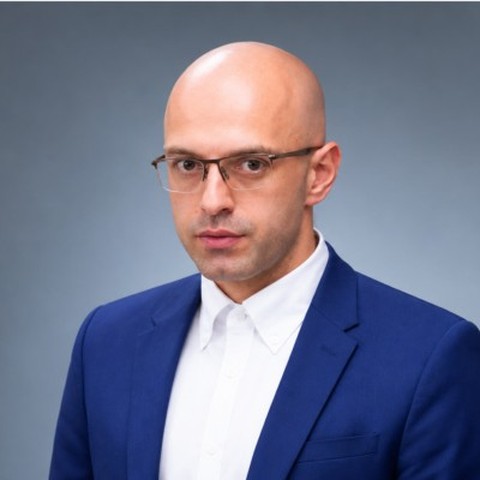
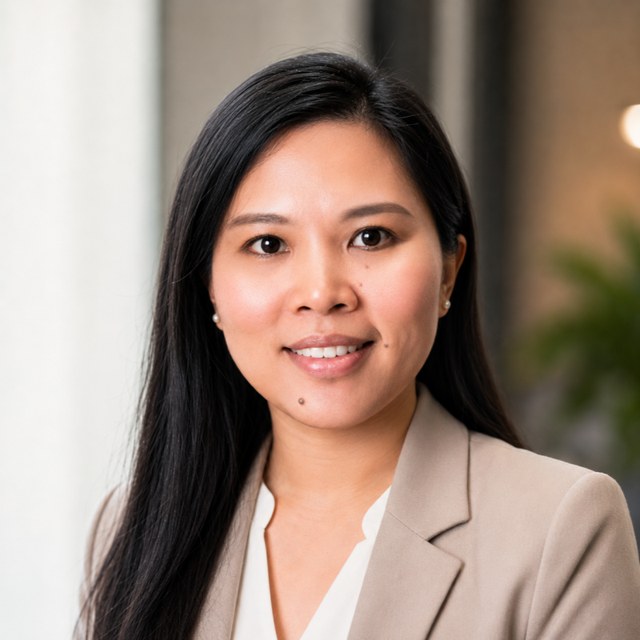
Are accelerators worth it? Founders answer
Two founders who have been through several programmes compare notes: which programme fits which stage, what a pitch is really for, and how to judge if the fee is worth paying.



01Different programmes for different stages
Xiaoxi Guo has joined several programmes, including general ones and ones for a single field such as healthcare AI. The summary from that experience: some are for day zero, when a founder does not yet know what the startup should be. Others are about investment and progress. Field-specific programmes come later, when you need access to one industry.
Being grouped with people at your own level mattered to her. Experienced founders share problems that beginners have not met yet.
02Is the fee worth it?
Evan Burkosky works on sales and marketing at an early stage startup and also mentors founders. People often ask him if a programme fee is worth it. His answer is that the value is in the feedback from people with real experience, and mentors work to make that feedback good.
He gave an example of advice that stuck: a story about a dentist still using a very old computer system, and what it means for how you build for that customer.
03What the pitch is for
One programme calls the short pitch a movie trailer. In four minutes you do not explain everything. You make an investor want to see the whole film, which means booking a meeting. In another programme, the final pitch is ten minutes in front of an investment committee that decides on funding. Know which kind of pitch you are preparing.
“You should inspire people to want to come and watch the whole movie.”
What to take with you
- Match the programme to your stage.
- Peers at your own level are part of the value.
- Judge a fee by the quality of feedback you will get.
- A short pitch has one job: the next meeting.
This feature is an editorial summary of a public conversation hosted by Erdinc Ekinci. Quotes come from the recording and are lightly trimmed. Figures are the speaker's own. Nothing here is investment advice.
Keep reading
 Interview at SusHi Tech Tokyo · 11 minTF+1
The AI SaaS partner model Japan might need
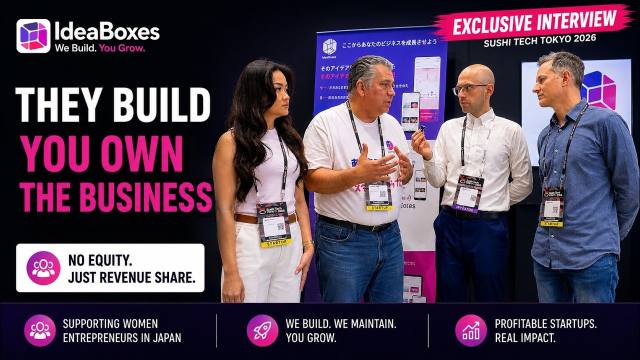
Todd Fabacher, Ayaka MuraiAt SusHi Tech Tokyo 2026, Erdinc met the team behind IdeaBoxes. They build the software with no upfront cost and take a share of revenue. Their goal is to help 50 women in Japan start software businesses.Read the feature →AI and building Podcast · 80 min

Why many non-US startups fail
Jeffrey Paine · Co-founder, Golden Gate VenturesJeffrey Paine of Golden Gate Ventures gives the plain version: the return target a fund needs from you, the two problems he sees most, and why a product people talk about beats a hundred pitches.Read the feature →Fundraising Podcast · 60 min