Rethinking the startup exit in Asia
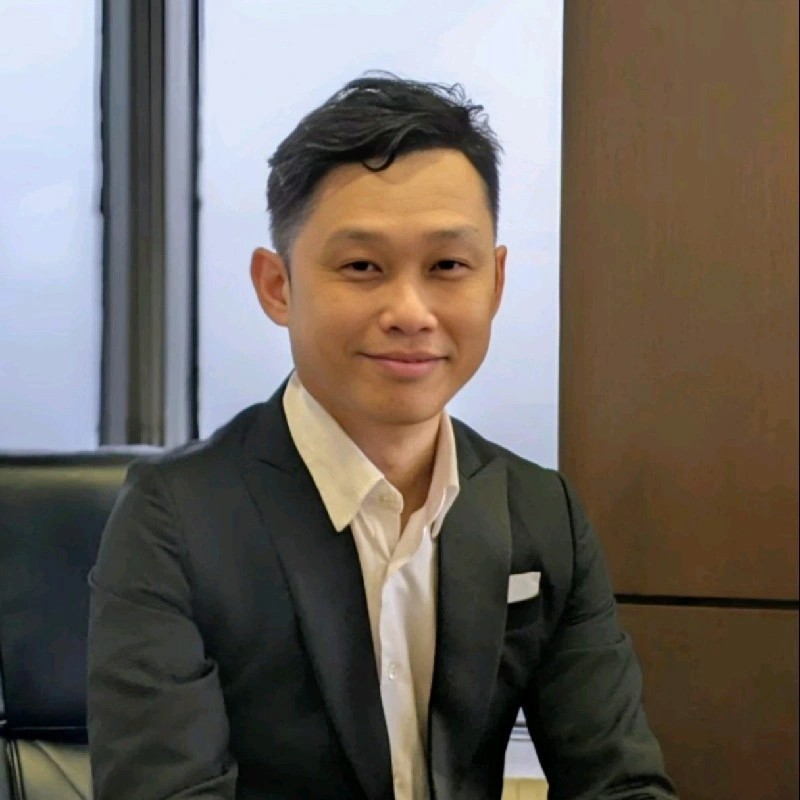
Siong Yoong has worked on mergers and acquisitions worth $1.5 billion. His view of an exit is simple: a buyer has a problem, and your company either solves it or does not.
01Buy or build
A company can grow in two ways. It can build new capability itself, or it can buy a company that already has it. Siong Yoong expects more buying in the near term, as businesses balance growth against political and supply chain risk.
So how does a startup make itself attractive? His answer is surprisingly simple: solve your buyer's problem. Every business has the same two problems, finding customers and keeping them. A buyer with a gap in demand or supply can build or buy. Know exactly which gap you fill.
“Businesses only have two problems, which is finding and keeping customers.”
- Slower
- Uses your own team
- Fits the early years
- Faster
- Fills a demand or supply gap
- Common above $10M in revenue
02Is this only for big companies?
Yes and no. His rule of thumb: up to five or ten million dollars in revenue, grow on your own, with help. Above ten million, it gets hard to keep the same pace without buying. By then you have found product-market fit and cash is building up.
03The hard part comes after signing
All deals are difficult, and deals across borders more so. A deal is about delivering value, not forecasting it. Returns do not jump off a spreadsheet after the papers are signed. He learned this himself when he lost money on a property investment in another country fifteen years ago.
“Projected returns don't jump off a spreadsheet by themselves after you sign.”
What to take with you
- An exit starts with a buyer's problem, not with your valuation.
- Know which gap you fill: demand or supply.
- Grow on your own first. Buying comes later.
- A deal is only as good as what happens after it is signed.
This feature is an editorial summary of a public conversation hosted by Erdinc Ekinci. Quotes come from the recording and are lightly trimmed. Figures are the speaker's own. Nothing here is investment advice.
Keep reading
 Panel · 74 min

Startup funding in Taiwan: a corporate investor and an angel explain
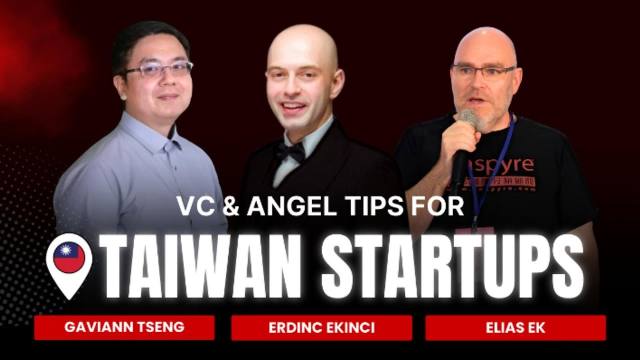
Gaviann Tseng, Elias EkGaviann Tseng invests for a corporate fund. Elias Ek is an entrepreneur and angel investor who runs a pitch event. Together they describe how founders meet investors in Taiwan, and the red flags that end a conversation.Read the feature →Taiwan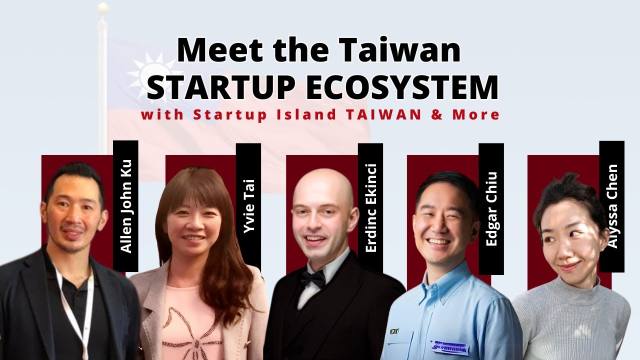 Panel · 74 min
 +1
Meet the Taiwan startup ecosystem
Allen John Ku, Alyssa Chen, EdgarPeople from Startup Island TAIWAN, AppWorks and SparkLabs Taiwan explain how the island works for founders: which markets Taiwanese startups enter first, how open local investors are, and why Taiwan is bigger than Taipei.Read the feature →Taiwan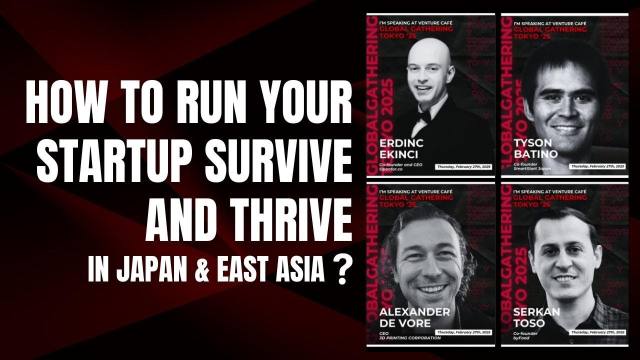 Panel at Venture Café · 33 min