From seed to Series A: what investors are really checking
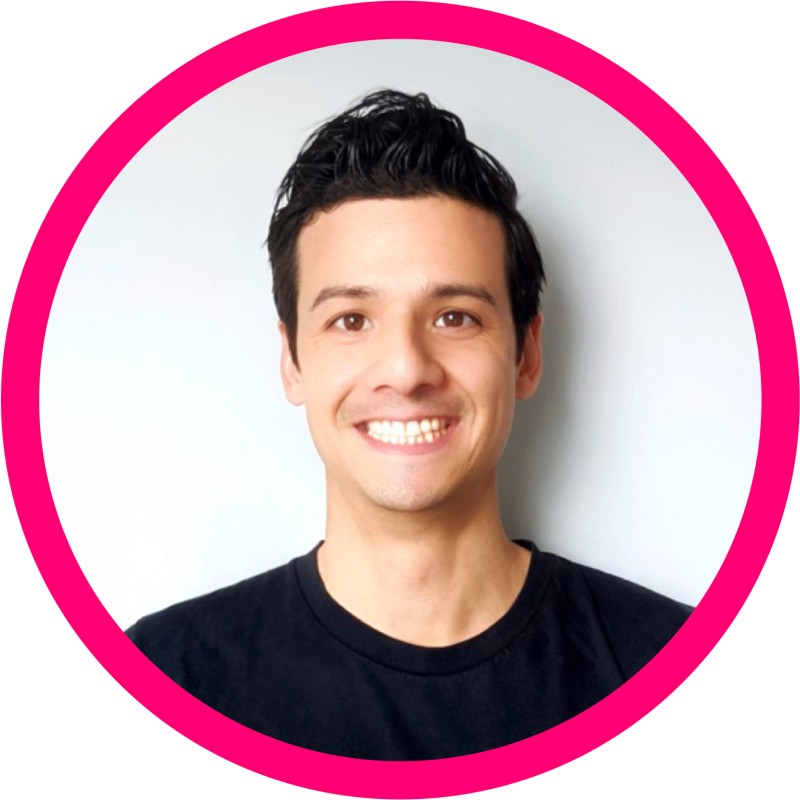
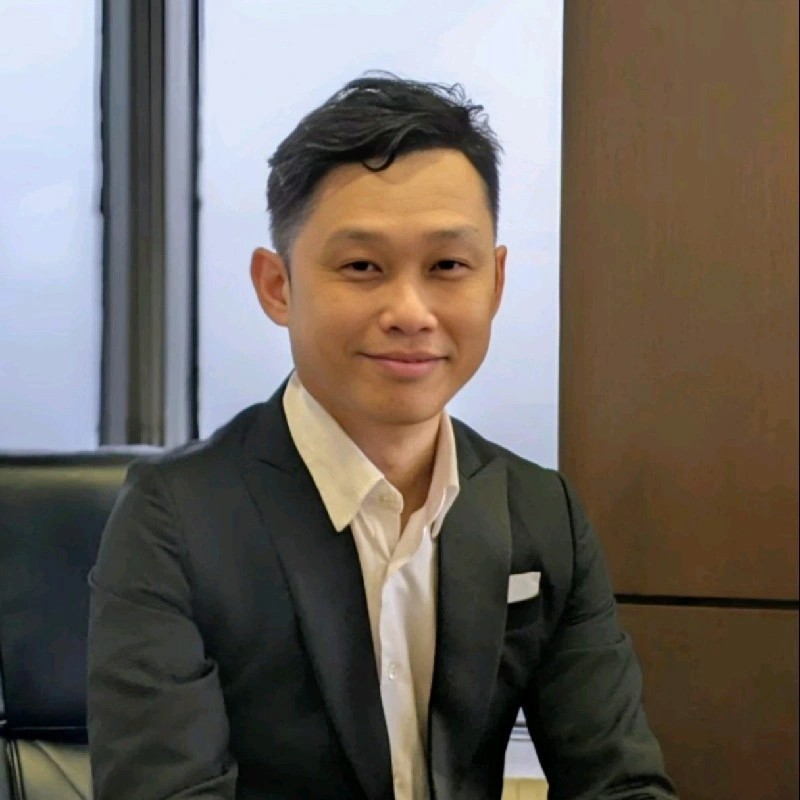
Michael Ho has been an investor and a founder with an exit. He breaks the Series A down into plain parts: what venture scale means, the slide most decks are missing, and how to define product-market fit for your own company.
01What venture scale means
Every investor looks at you through one question: can this company reach venture scale? Michael Ho gives the simplest definition. Once you reach a million dollars a year in revenue, can you grow to a hundred million in seven to ten years? About one percent of companies do.
A common way to picture it: triple revenue, triple again, then double three times. Around the Series A, the test is the two triples back to back. That is about ten percent growth every month for two years. Knowing that number helps you judge your own readiness.
02The slide most decks miss
Most go-to-market slides explain two things: how pricing works, and which tactics bring growth. Both only say how you plan to make money. He argues a piece is usually missing between them: the strategy that explains why those tactics will work for this customer, in this order.
03Product-market fit, in two parts
There is no standard definition, because it is different for each company. He splits it in two. First, your product makes happy customers. That is the work around the seed round. Second, you have a repeatable way to make more happy customers on demand. Investors at Series A are looking for the second part.
“You need a repeatable and scalable factory that can produce more happy customers on demand.”
What to take with you
- Measure yourself against the venture scale path before you raise.
- Explain the strategy behind your growth tactics, not only the tactics.
- Seed proves you can make customers happy.
- Series A proves you can do it again and again.
This feature is an editorial summary of a public conversation hosted by Erdinc Ekinci. Quotes come from the recording and are lightly trimmed. Figures are the speaker's own. Nothing here is investment advice.
Keep reading
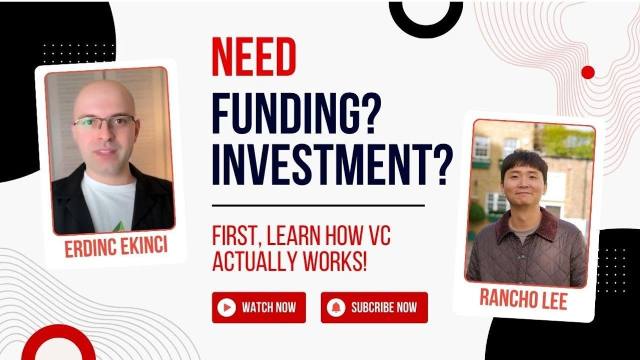 Podcast · 49 min
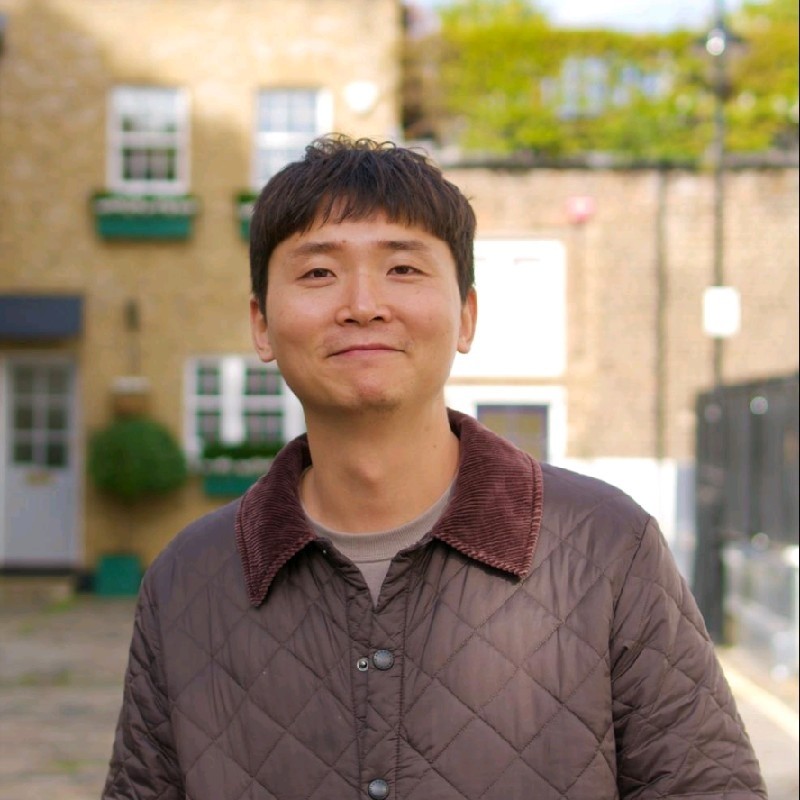
The hidden rules of venture capital
Rancho Lee · Co-founder and APAC Partner, Simsan VenturesRancho Lee of Simsan Ventures explains how a fund thinks: whose money it manages, what it looks at when a company has almost nothing yet, and why an investor has no safety net if you fail.Read the feature →Fundraising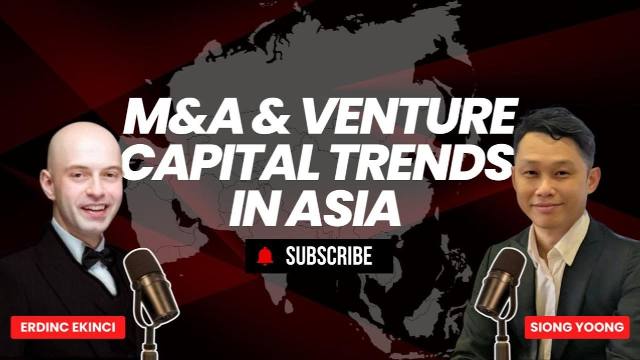 Podcast · 66 min
Rethinking the startup exit in Asia
Siong Yoong · Founder and CEO, VALLARISSiong Yoong has worked on mergers and acquisitions worth $1.5 billion. His view of an exit is simple: a buyer has a problem, and your company either solves it or does not.Read the feature →Exits Panel · 74 min